The Joy in Being of Service
Like most writers, I have a day job. Fortunately, I have one that I love: I’m the executive director of a small charity on the island where I live. I spend my days worrying about food security and trying to build community, and keep people fed.
Which explains why “service” is such a loaded topic for me, one that I needed to unpack in my essay: The Trap of Service, because being of service is what I do for a living, and those acts of service help define who I am and how I move through the world.
Never had that been more apparent than during the 2018 Community Winter Solstice potluck. The potluck is an annual event, but in 2018 a massive windstorm hit the island the day before the event. I was working in the kitchen at the community Hall, with a small group of volunteers baking the bread for the potluck dinner when the windstorm started. The power went out, and after waiting thirty minutes, I started the generators. A recent grant had allowed us to get the emergency generators wired in properly to the old building, but I’d never used them before. It took a little while, but we got them going, and then discovered the gas cans were empty, so one volunteer left to get gas.
A few hours later, all the bread was baked, but more trees had come down, blocking the main roads (and most of the side roads), so I abandoned my van at the hall and walked home.
By the next morning, it was obvious the entire island was out of power, and it wasn’t coming back in time for the scheduled potluck that evening. But I also had five huge free-range turkeys in my fridge that needed to be cooked. Should we cancel? Or go ahead with the dinner. The turkeys were the tipping point. And the solstice potluck was on. We set up the tables, but didn’t know if twenty people would come, or a hundred. Would people want to eat a hot meal and get together with neighbours? Or stay home? The generators gave us power in the kitchen, but there were no lights in the hall or heat anywhere in the building.
Volunteers showed up, those who could get through the roads or who lived close enough to walk. During the day, a steady stream of people stopped by the hall, looking to charge their phones, looking for information. “Tell everyone Solstice is still on. If you see Hydro, tell them to come by for hot food,” I told them. The faller who usually brought the wood for the bonfire could get through, but some locals decided to burn the tree that had taken out the hall’s power lines.
At five o’clock, we opened the doors. We lit dozens and dozens of tea lights. And people came. Lots of people. One hundred and sixty people. Some people brought lots of food, emptying their fridges. Others brought none. It was perfect. One of the local choirs performed using headlights to read their music. Another resident recited poetry to the hushed hall. I was in the kitchen when I heard a wave of applause, turned to see a standing ovation in the hall.
“What’s happening?” I asked the volunteers managing the potluck table.
“A Hydro crew just showed up.”
At the end of the night, we packed up a box of sandwiches to give to the crews who were giving up their holidays to get us back our power.
Turned out we didn’t need power, just community coming together, and we’d get through the storm just fine.
Note: An earlier version of this essay was first published in the “Active Page,” our local community newspaper in 2019.
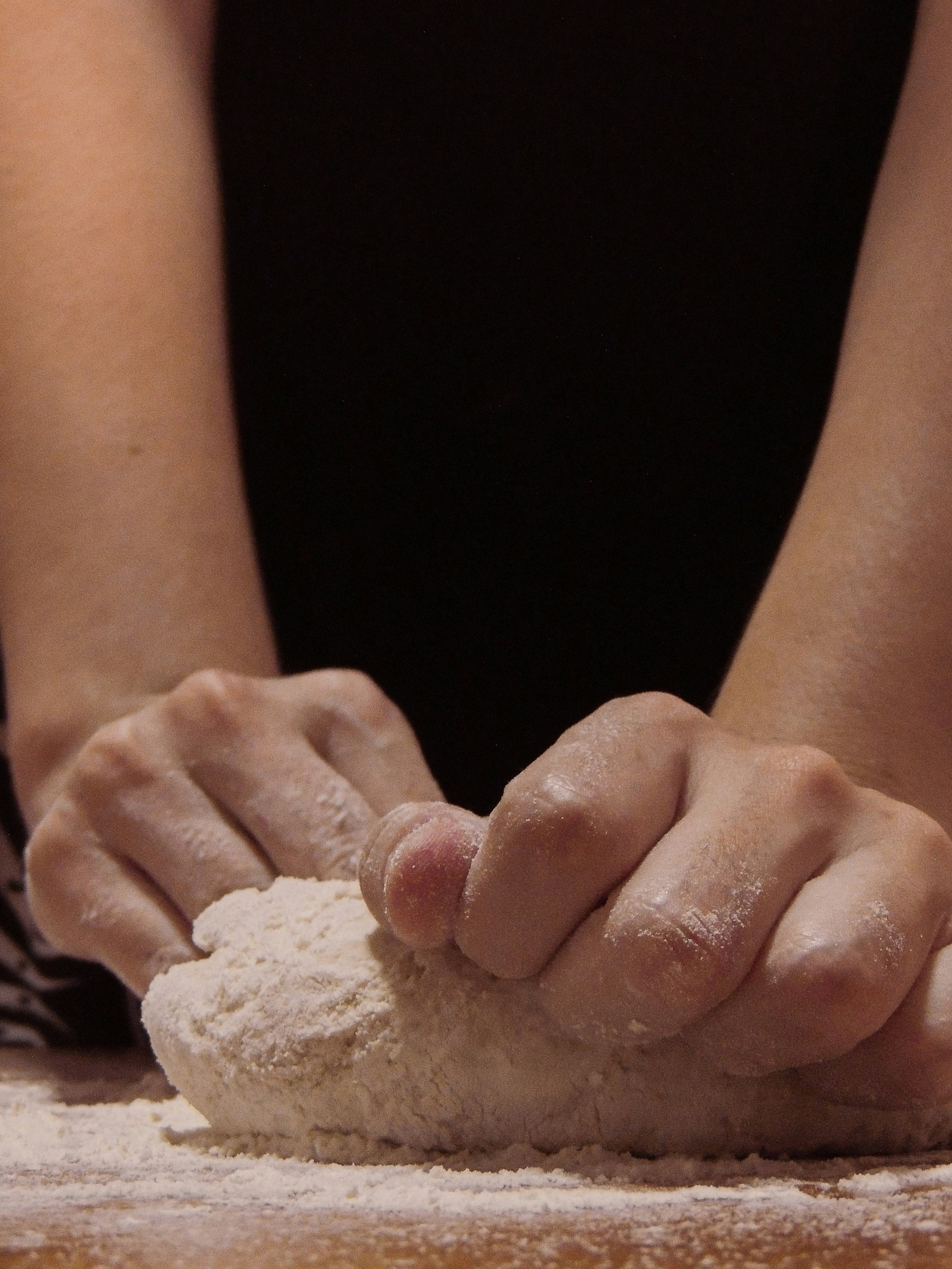
Photo by ☀️Shine_ Photos on Unsplash